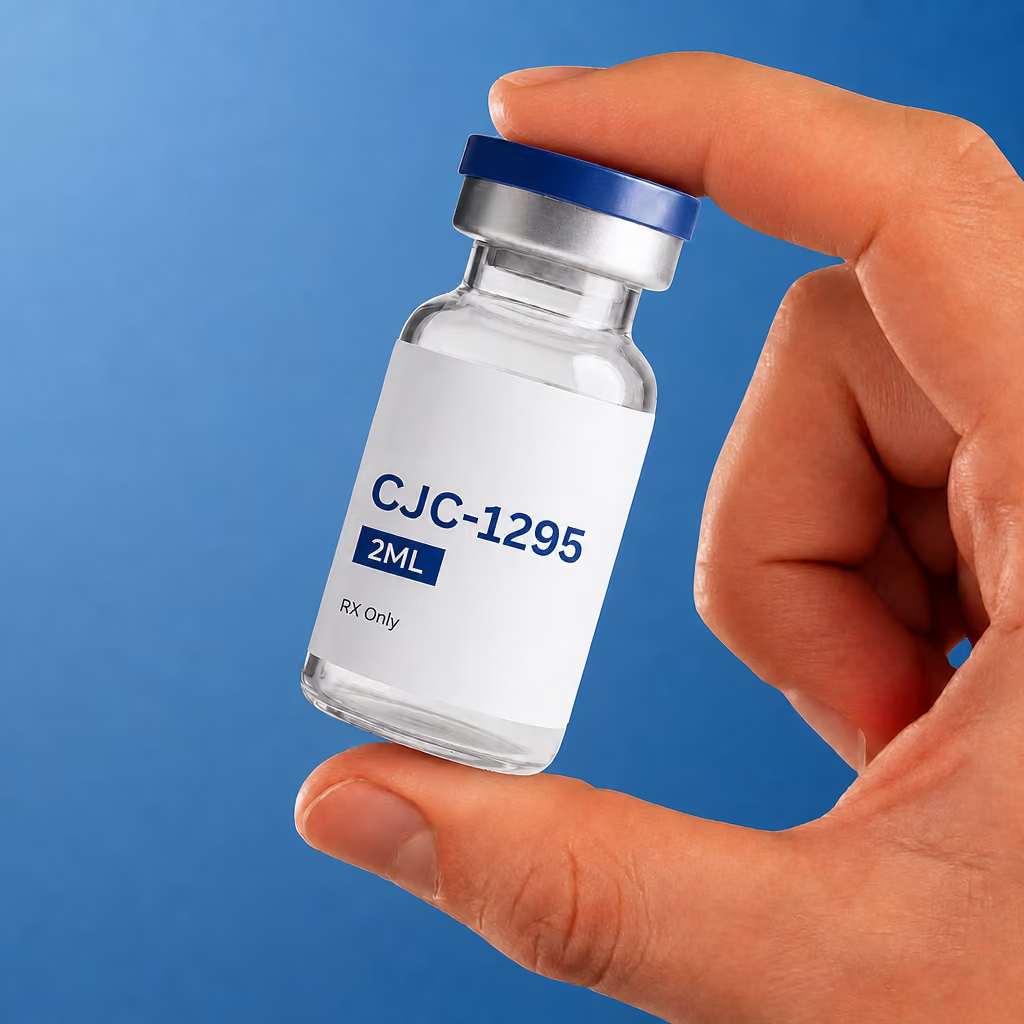
CJC-1295 Drug Interactions and Contraindications
A practical guide to the medicines, supplements and health conditions that can change how CJC-1295 affects you, and what your prescriber needs to know before treatment starts.
- Formal drug interaction studies for CJC-1295 have not been published, so interactions are predicted from how growth hormone works.
- Growth hormone can reduce insulin sensitivity, so diabetes medicines need the closest attention.
- Thyroid medication, glucocorticoids and estrogen can all change how the body responds to growth hormone.
- Active cancer, pregnancy and breastfeeding are reasons not to use CJC-1295.
- Share a complete list of prescription drugs, over the counter products and supplements before your first dose.
- Never stop or change another medicine on your own to make room for CJC-1295.
In this article
CJC-1295 raises the amount of growth hormone your own pituitary gland releases, which in turn raises IGF-1. Because growth hormone affects blood sugar, metabolism and other hormones, the medicines you already take can change how CJC-1295 affects you, and CJC-1295 can change how some of those medicines work. This guide explains the interactions that matter most and the conditions that make CJC-1295 the wrong choice. For a broader look at safety, see our CJC-1295 side effects and safety guide.
CJC-1295 is not approved by the FDA for any use. It is prescribed at a licensed physician's discretion after a medical review. This article is educational and is not medical advice.
Why Interactions Are Predicted, Not Measured
It is important to be clear about the evidence. Formal drug interaction studies for CJC-1295 have not been published. The human research consists of small, short studies in healthy volunteers, which showed that a single dose raised growth hormone for six days or more and IGF-1 for nine to eleven days, with a half life of roughly six to eight days. The FDA has noted that available clinical data are limited.
The interactions below are therefore based on how growth hormone itself interacts with other treatments, which is well understood from decades of growth hormone therapy. Because CJC-1295 keeps working for about a week after an injection, any interaction can also last that long. That is one reason your prescriber needs your full medication list before the first dose, not after a problem appears.
Diabetes Medicines and Blood Sugar
Growth hormone can make the body less responsive to insulin, which tends to push blood sugar up. If you take insulin, metformin, a sulfonylurea, an SGLT2 inhibitor, a GLP-1 medicine or any other glucose lowering drug, raising your growth hormone could change how well that treatment controls your blood sugar.
In practice this means:
- Baseline testing: your prescriber should check fasting glucose or HbA1c before treatment.
- More frequent checks early on: if you monitor at home, check more often in the first weeks and share the readings.
- Coordinated changes: any adjustment to your diabetes medicines should be made by the clinician who manages your diabetes, working with your CJC-1295 prescriber.
People with uncontrolled diabetes are generally not good candidates for CJC-1295 until blood sugar is stable. Our guide on who should not use CJC-1295 covers this in more detail.
Thyroid Medication
Growth hormone influences how thyroid hormones are converted and used in the body. Starting growth hormone therapy can unmask an underactive thyroid in some people or change how much replacement they need. If you take levothyroxine or another thyroid medicine, tell your prescriber, and expect thyroid levels to be checked before treatment and again after you have been on CJC-1295 for a while. Do not change your thyroid dose without your prescriber's advice.
Frequently Asked Questions
Should I stop my current medicines before starting CJC-1295?
No. Never stop or change a prescribed medicine on your own. Share your full list with your prescriber, who will decide whether anything needs adjusting and coordinate with the clinicians who manage your other conditions.
Can CJC-1295 affect blood sugar?
Yes. CJC-1295 raises growth hormone, which can reduce insulin sensitivity and push blood sugar up. If you take insulin or other diabetes medicines, expect glucose to be checked before and during treatment, and report high readings to your prescriber.
Is it safe to use CJC-1295 with thyroid medication?
It can be, with monitoring. Growth hormone affects how thyroid hormones are used, so starting treatment can change how much thyroid replacement you need. Your prescriber may check thyroid levels before and during therapy.
Do steroids interact with CJC-1295?
Glucocorticoids such as prednisone can blunt the effects of growth hormone and raise blood sugar. If you need a course of steroids, tell your prescriber, who may delay or pause CJC-1295.
Can I take supplements with CJC-1295?
Tell your prescriber about every supplement you take. Products for blood sugar, hormone boosters, sleep aids and high dose fish oil are the ones most likely to matter.
Why is active cancer a contraindication?
Growth hormone and IGF-1 promote cell growth and division, so raising them during active cancer could be harmful. A past history of cancer needs careful review before CJC-1295 is considered.
How often should my medicines be reviewed during treatment?
At your first consultation, at each follow up, and any time you start, stop or change a medicine or supplement, including short courses such as antibiotics or steroids.
Glucocorticoids
Glucocorticoids such as prednisone, prednisolone, dexamethasone and high dose inhaled or injected steroids can blunt the effects of growth hormone and also raise blood sugar. Taking them alongside CJC-1295 could make treatment less effective and add to the strain on glucose control. If you need steroids for asthma, an autoimmune condition or after surgery, your prescriber may decide to delay or pause CJC-1295. Occasional low dose steroid creams are much less of a concern, but mention them anyway.
Estrogen and Other Hormone Therapies
Oral estrogen, used in some contraceptive pills and hormone replacement therapy, reduces the liver's response to growth hormone, which can lower IGF-1 even when growth hormone is raised. Testosterone, other sex hormone treatments and any other growth hormone related products can also change the picture. If you use any of these, your prescriber may interpret your IGF-1 results differently or adjust your plan. Never combine CJC-1295 with other growth hormone products or secretagogues unless your prescriber has planned it, because the combined effect on IGF-1 is harder to predict. Our article on combining CJC-1295 with other peptides explains why.
Heart and Blood Pressure Medicines
The FDA has cited increased heart rate and systemic vasodilatory reaction among serious adverse events reported with CJC-1295. Vasodilation lowers blood pressure for a short time, and a faster heart rate puts extra demand on the heart. If you already take medicines that lower blood pressure, such as ACE inhibitors, angiotensin receptor blockers, calcium channel blockers, diuretics or nitrates, the combined effect could make lightheadedness or fainting more likely, especially when standing up quickly.
If you take a beta blocker or another medicine that controls heart rate or rhythm, tell your prescriber, because it can mask or change how a fast heartbeat shows up. People with heart rhythm problems, a history of heart attack or heart failure need a careful review before treatment starts, and some will be advised not to use CJC-1295. Report any palpitations, chest discomfort or fainting straight away.
Blood Thinners and Injection Bruising
Blood thinners such as warfarin, apixaban, rivaroxaban, dabigatran and clopidogrel, and regular aspirin, do not have a known chemical interaction with CJC-1295. They do make bruising and bleeding at the injection site more likely. If you take one of these, use the finest needle your prescriber recommends, press gently on the site for a little longer after injecting rather than rubbing it, and rotate sites carefully. Tell your prescriber about any large or painful bruises, or bleeding that does not stop with gentle pressure. Our subcutaneous injection technique guide has more tips for reducing bruising.
Supplements and Over the Counter Products
Supplements are easy to forget, but some can matter. Tell your prescriber about anything you take regularly, including:
- Products marketed for blood sugar: such as berberine or chromium, because they can add to changes in glucose.
- Products marketed to raise growth hormone or testosterone: including amino acid blends and herbal boosters.
- Sleep aids: such as melatonin, so changes in sleep can be interpreted correctly.
- Products that affect bleeding: such as high dose fish oil, which matters if you bruise easily at injection sites.
Alcohol
There is no known direct interaction between alcohol and CJC-1295, but alcohol affects two things that matter during treatment. It can cause swings in blood sugar, particularly in people who take diabetes medicines, and it disrupts deep sleep, which is when the body releases much of its natural growth hormone. Heavy drinking also widens blood vessels, which could add to flushing or lightheadedness after an injection. If you drink, keep it moderate, avoid drinking close to your injection, and tell your prescriber honestly how much you usually have.
Conditions That Rule Out CJC-1295
Some situations are reasons not to use CJC-1295 at all, because raising growth hormone and IGF-1 could cause harm:
- Active cancer: growth hormone and IGF-1 promote cell growth, so CJC-1295 should not be used during active cancer. A past history of cancer needs careful specialist review.
- Pregnancy and breastfeeding: there is no safety data.
- Known allergy: to CJC-1295 or any ingredient in the preparation.
- Competitive sport: CJC-1295 is prohibited at all times under the World Anti-Doping Agency code.
Other conditions need caution rather than an outright no. These include uncontrolled diabetes, heart disease, pituitary disorders, severe kidney or liver disease, and untreated sleep apnea. The only larger CJC-1295 trial was stopped in 2006 after a participant death that was attributed to undiagnosed heart disease, which is one reason heart history deserves a careful look.
How to Prepare Your Medication Review
Before your consultation, make a list of every prescription medicine, over the counter product, vitamin and supplement you take, with the dose and how often you take it. Note any allergies and any past reactions to injections. Bring recent lab results if you have them. During treatment, tell your prescriber whenever something changes, including short courses such as antibiotics or steroids. If you notice a new symptom, our guide to managing common CJC-1295 side effects explains what to watch for and when to call.
Conclusion
There are no published drug interaction studies for CJC-1295, so interactions are predicted from what is known about growth hormone. The most important ones involve diabetes medicines, thyroid replacement, glucocorticoids and estrogen, and some supplements can matter too. Active cancer, pregnancy and breastfeeding rule CJC-1295 out, and heart disease, uncontrolled diabetes and pituitary conditions need careful review. A complete, honest medication list is the single most useful thing you can bring to your prescriber. If you would like a physician to review whether CJC-1295 suits you, you can start your online assessment.
In this article