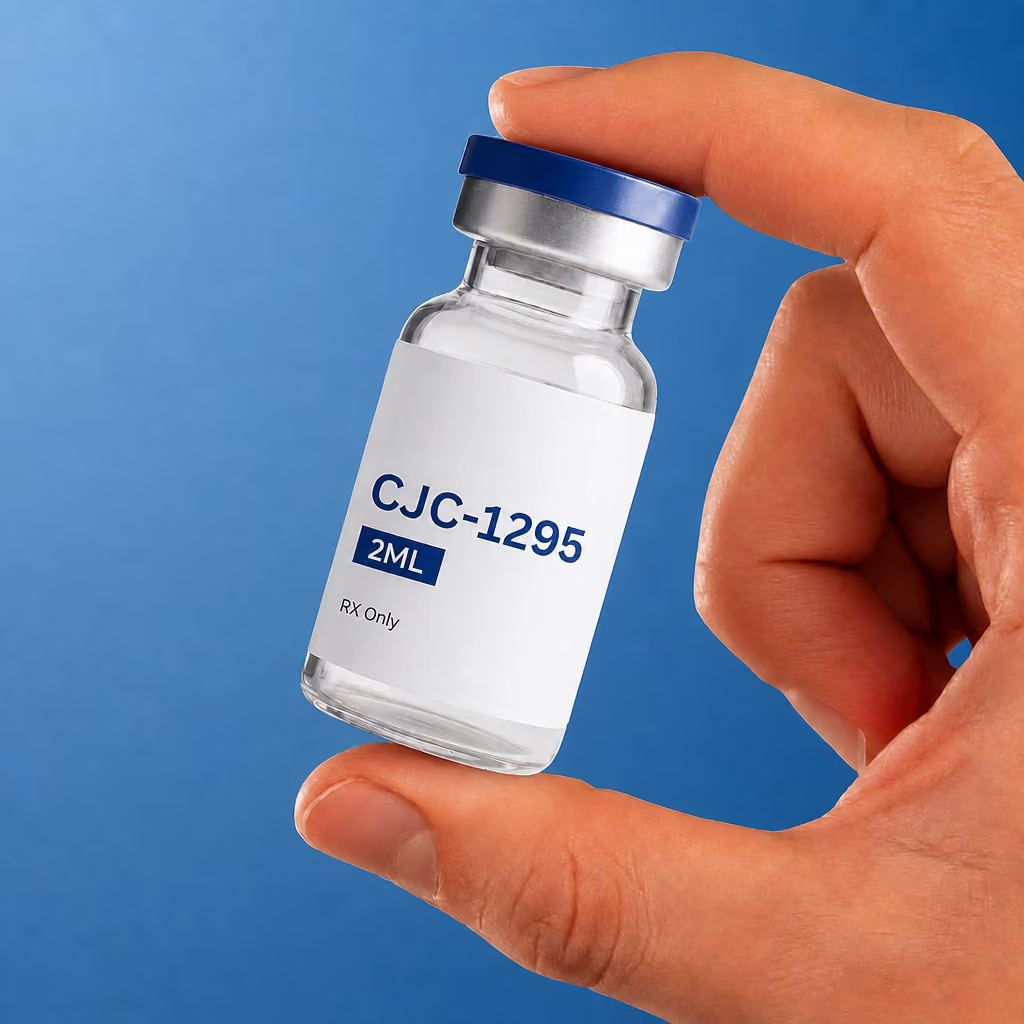
Summer Heat and Peptide Therapy: Storage and Safety
A practical summer guide for people on peptide therapy such as CJC-1295, covering how heat affects your medication, safe storage, deliveries and travel, staying well in hot weather, outdoor training and the rules for athletes.
- Heat can degrade peptides without changing how the solution looks.
- Keep vials refrigerated at 2 to 8°C (36 to 46°F), never leave them in a car, and take only what you need when out.
- Arrange summer deliveries so packages do not sit in the heat, and do not use a vial that arrived warm.
- Heat, dehydration and alcohol can make flushing or lightheadedness more noticeable.
- Hydrate well, avoid injecting right before long hours in the sun, and protect injection sites from sunburn.
- CJC-1295 is prohibited at all times under the WADA code, including during summer training.
In this article
Summer brings longer days, travel, outdoor training and, for anyone on peptide therapy, a few extra things to think about. Heat is one of the main threats to a peptide's stability, and hot weather can also change how you feel after an injection. This guide covers how to keep CJC-1295 and similar peptides safe through the summer, and how to look after yourself in the heat. It replaces an earlier version of this page that focused on using peptides to boost summer training and recovery, an approach not supported by evidence and not permitted in tested sport.
CJC-1295 is not approved by the FDA for any use. It is prescribed at a licensed physician's discretion after a medical review. This article is educational and is not medical advice.
Why Heat Matters for Peptides
Peptides are chains of amino acids that can break down when they get too warm. A vial exposed to heat may still look clear and normal while containing less active peptide than it should. That means you cannot rely on appearance alone to tell whether a vial has been damaged. Proper storage from delivery to the last dose is the only reliable protection. The FDA has also noted that compounded drugs containing CJC-1295 may pose risks related to peptide impurities, which makes starting with a properly made, properly stored product even more important.
Storage at Home in Summer
- Follow your pharmacy label: it sets the storage temperature and how long a mixed vial lasts.
- Refrigerate at 2 to 8°C (36 to 46°F): a fridge thermometer helps, because fridges work harder and may run warmer in hot weather.
- Use the middle shelf: away from the door, which warms each time it opens, and away from the freezer compartment.
- Keep vials in their box: to protect them from light.
- Limit time out of the fridge: take the vial out just before your dose and return it straight after.
- Never freeze a mixed vial: in an effort to keep it cold, it is easy to go too far.
Our guide to how to store and handle CJC-1295 covers storage in detail.
Summer Deliveries
Hot weather is the riskiest time for shipped medication. Licensed pharmacies ship peptides in insulated packaging with cold packs, but a package left on a sunny doorstep can still overheat. Arrange to be home on delivery day, use a secure collection point, or ask the pharmacy whether they can time shipments to avoid weekends or heatwaves. Open the package straight away, check that the contents are still cold and the vial is intact, and refrigerate it. If the package arrives warm or the cold packs have fully melted and the contents feel warm, do not use the vial; contact the pharmacy.
Signs a Vial May Have Been Damaged
Because heat damage is often invisible, the history of a vial matters as much as how it looks. Be suspicious of any vial that has been left out of the fridge for hours, left in a car or delivered warm. Do not inject a solution that has become cloudy, discoloured or has particles in it, or a vial with a cracked glass or damaged stopper. If you are unsure, keep the vial, contact your pharmacist with the details of what happened, and follow their advice about whether to use or replace it.
Deliveries While You Are Away
If a refill is due while you are on holiday, ask the pharmacy to hold it or ship it for your return, rather than letting it sit on a doorstep or in a mailbox in the heat. A neighbour can collect it and refrigerate it if needed, but tell them what it is and how to store it. If a package has been left out for some time in hot weather, treat it as possibly damaged and check with the pharmacy before use.
Days Out and Car Trips
A parked car can become very hot within minutes on a summer day, hot enough to damage a peptide quickly. Never leave medication in a car, even briefly. If you need to inject while out, take only that dose in an insulated case with a cold pack, keep it in the cabin rather than the trunk, out of direct sun, and return it to the fridge as soon as you can. Wrap the vial so it does not touch the cold pack directly, because freezing can also damage it.
Power Cuts and Heatwaves
Summer storms and heatwaves can cause power cuts. Keep the fridge door closed to hold the cold in. If the outage is likely to last, move vials to an insulated cooler with cold packs, without direct contact. When power returns, check the fridge temperature. If your medication has been above refrigerator temperature for an extended period, ask your pharmacist whether it is still usable before injecting it.
Quick Reference
| Situation | What to do |
|---|---|
| Hot weather delivery | Be home for delivery or use a collection point; refrigerate immediately |
| Package arrives warm | Do not use it; contact the pharmacy |
| Day out in the heat | Leave vials in the fridge; carry only what you need in an insulated case |
| Car trips | Keep the case in the cabin, out of the sun, and never leave it in a parked car |
| Power cut | Keep the fridge closed; move vials to a cooler with cold packs if it lasts |
| Flying | Carry vials in hand luggage in an insulated case; declare at security |
| Feeling flushed or lightheaded in the heat | Rest in the shade, drink water and contact your prescriber |
Frequently Asked Questions
Does heat damage CJC-1295?
It can. Peptides can break down when they get too warm, and a heat damaged vial may still look clear. Keep vials refrigerated at 2 to 8°C (36 to 46°F) and never leave them in a car.
What should I do if my delivery arrives warm?
Do not use the vial. Contact the pharmacy, explain how warm it was and how long it may have been in transit, and keep the packaging.
How do I carry CJC-1295 on a hot day?
Take only the dose you need in an insulated case with a cold pack, wrapped so the vial does not touch the pack, kept out of direct sun and returned to the fridge as soon as possible.
Can hot weather make side effects worse?
Heat and dehydration can make flushing and lightheadedness more noticeable. Drink plenty of water, avoid injecting just before long hours in the sun and rest if you feel unwell.
Can I swim after injecting?
It is best to avoid pools, the sea and hot tubs for a few hours after injecting, while the small puncture closes.
Can athletes use CJC-1295 for summer training?
Not in tested sport. CJC-1295 is prohibited at all times under the World Anti-Doping Agency code, and there is no evidence it improves training or recovery.
Planning Holidays Around Your Schedule
Because CJC-1295 with DAC lasts about a week, many people can time a short holiday so that a dose falls just before leaving and the next one after returning, avoiding the need to carry medication at all. For longer trips, plan the timing and storage with your prescriber in advance. Ask for refills early so you are not waiting on a delivery during a heatwave, and confirm that the place you are staying has a reliable fridge.
Summer Travel
Carry vials in your hand luggage in a labelled box inside an insulated case, so they are not exposed to extreme temperatures in the hold or in a hot car at your destination. In the United States, the Transportation Security Administration allows medically necessary liquids and cooling accessories such as freezer packs through security once declared and screened. Check the temperature of the fridge where you are staying before storing your vials, because hotel fridges vary. Our guide to traveling with peptides has a full packing list and advice on time zones.
Looking After Yourself in the Heat
The FDA has cited increased heart rate and systemic vasodilatory reaction among serious adverse events reported with CJC-1295. Vasodilation means blood vessels widen, which can cause flushing, warmth and lightheadedness. Heat also widens blood vessels, and dehydration lowers blood pressure, so hot weather can make these feelings more noticeable. Some sensible precautions:
- Hydrate well: drink regularly through the day, more when active or outdoors.
- Time your injection sensibly: avoid injecting just before long hours in the sun or an intense outdoor session.
- Limit alcohol: it adds to dehydration and widens blood vessels.
- Rest if you feel unwell: if you feel flushed, dizzy or faint, move to the shade, sit or lie down and drink water.
- Know when to get help: seek emergency care for chest pain, fainting, confusion or a racing heartbeat that does not settle.
Our guide to managing common CJC-1295 side effects explains what to watch for.
Hydration and Electrolytes
Sweating in hot weather removes both water and salts. For everyday activity, drinking regularly through the day is usually enough. For long or intense sessions in the heat, adding electrolytes can help, and weighing yourself before and after training is a simple way to see how much fluid you lose. Pale yellow urine is a reasonable sign of good hydration. People with heart, kidney or blood pressure conditions should ask their doctor how much fluid and salt is right for them.
Sleeping in the Heat
Hot nights disrupt sleep, and poor sleep affects energy, mood and recovery, as well as the body's own nightly growth hormone release. Keep the bedroom as cool and dark as possible, use a fan or air conditioning if available, choose light bedding, and avoid heavy meals and alcohol late in the evening. A cool shower before bed can also help, as can keeping a consistent bedtime even on long summer evenings.
Injection Sites and Summer Skin
Avoid injecting into sunburned, irritated or broken skin, and choose a different site if your usual area is red or sore. Protect recent injection sites from strong sun. Swimming pools, the sea and hot tubs are best avoided for a few hours after injecting, while the small puncture closes. Keep supplies dry and clean, and wash hands carefully before injecting, especially after time outdoors. Our subcutaneous injection technique guide covers site choice and rotation.
Outdoor Training in Summer
Heat makes training harder on the body. Build up gradually as the weather warms, train in the cooler parts of the day, wear light clothing, and replace fluids and electrolytes during long sessions. Watch for signs of heat illness, including headache, nausea, dizziness, confusion and stopping sweating, and stop immediately if they appear. Sleep can also suffer in hot weather, which affects recovery; a cool, dark bedroom helps.
There is no published evidence that CJC-1295 improves summer training, performance or recovery. Its human research measured hormone levels only, and our review of CJC-1295 clinical studies explains what was and was not measured.
A Note for Athletes
Summer is often peak season for training and competition. If you compete in tested sport, CJC-1295 is prohibited at all times, in and out of competition, under the World Anti-Doping Agency code. Our guide to CJC-1295 rules and risks for athletes explains the rules and what actually helps recovery.
Summer Checklist
- Fridge thermometer reads 2 to 8°C (36 to 46°F).
- Deliveries timed so packages do not sit in the heat.
- Insulated case and cold packs ready for days out and travel.
- No medication left in the car.
- Plan for power cuts during heatwaves.
- Water bottle and sensible injection timing on hot days.
- Travel sharps container packed for trips.
Conclusion
Summer is manageable on peptide therapy with a little planning. Keep vials refrigerated at 2 to 8°C (36 to 46°F), never leave them in a car, time deliveries to avoid heat, and carry only what you need in an insulated case. Look after yourself too: hydrate, avoid injecting just before long hours in the sun, and know the warning signs of both heat illness and serious reactions. Remember that heat can damage a peptide without changing how it looks, so if a vial has been exposed, check with your pharmacist before using it. A few minutes of planning before each hot day or trip is usually all it takes. If you would like to start or review treatment with a physician, you can start your online assessment.
In this article