Peptides for Energy, Mood and Focus Compared
An evidence based comparison of peptides often marketed for energy, mood and focus, including CJC-1295, sermorelin, ipamorelin, Semax and Selank, with a clear look at what the research shows, the safety questions and the approaches with stronger evidence.
- Peptides are widely marketed for energy, mood and focus, but strong human evidence for these outcomes is lacking.
- CJC-1295 raises growth hormone and IGF-1; no published study has measured energy, mood or cognition.
- Semax and Selank are not FDA approved, and most research on them comes from small studies outside the US.
- Tiredness, low mood and poor focus often have treatable causes that should be checked first.
- The FDA has raised safety concerns about several peptides, including CJC-1295 and ipamorelin.
- Sleep, exercise, treating underlying conditions and evidence based mental health care have the strongest support.
In this article
Peptides are increasingly marketed as ways to boost energy, lift mood and sharpen focus. Some, like CJC-1295, act on the growth hormone system; others, such as Semax and Selank, are promoted as brain focused. This article compares the most commonly discussed options on the evidence, without testimonials or promises. It also explains why tiredness, low mood and poor concentration deserve a proper medical look before any peptide is considered. For background on CJC-1295, see our guide to what CJC-1295 is.
CJC-1295 is not approved by the FDA for any use. It is prescribed at a licensed physician's discretion after a medical review. This article is educational and is not medical advice.
Why These Symptoms Need a Proper Assessment First
Low energy, low mood and poor concentration are extremely common and have many causes. Sleep problems including sleep apnea, thyroid disorders, anaemia, low vitamin B12 or vitamin D, depression and anxiety, high or unstable blood sugar, chronic stress, alcohol and the side effects of common medicines can all cause them. Some of these are serious and all are treatable. Starting a peptide without checking for them risks missing something important and makes it impossible to know whether any change is due to the peptide. If your mood is low, or you have thoughts of harming yourself, please speak to a doctor or a mental health professional promptly.
The Options at a Glance
| Peptide | How it is described | Regulatory status in the US | Evidence on energy, mood or focus |
|---|---|---|---|
| CJC-1295 | Long acting GHRH analog | Not FDA approved | Not measured in published studies |
| Sermorelin | Short acting GHRH analog | Approved in 1997 for children; later withdrawn for non safety reasons | Not established for these outcomes in healthy adults |
| Ipamorelin | Ghrelin receptor agonist | Not FDA approved | Not established |
| Semax | Synthetic peptide related to a fragment of ACTH | Not FDA approved | Mainly small studies outside the US |
| Selank | Synthetic peptide related to tuftsin | Not FDA approved | Mainly small studies outside the US |
CJC-1295
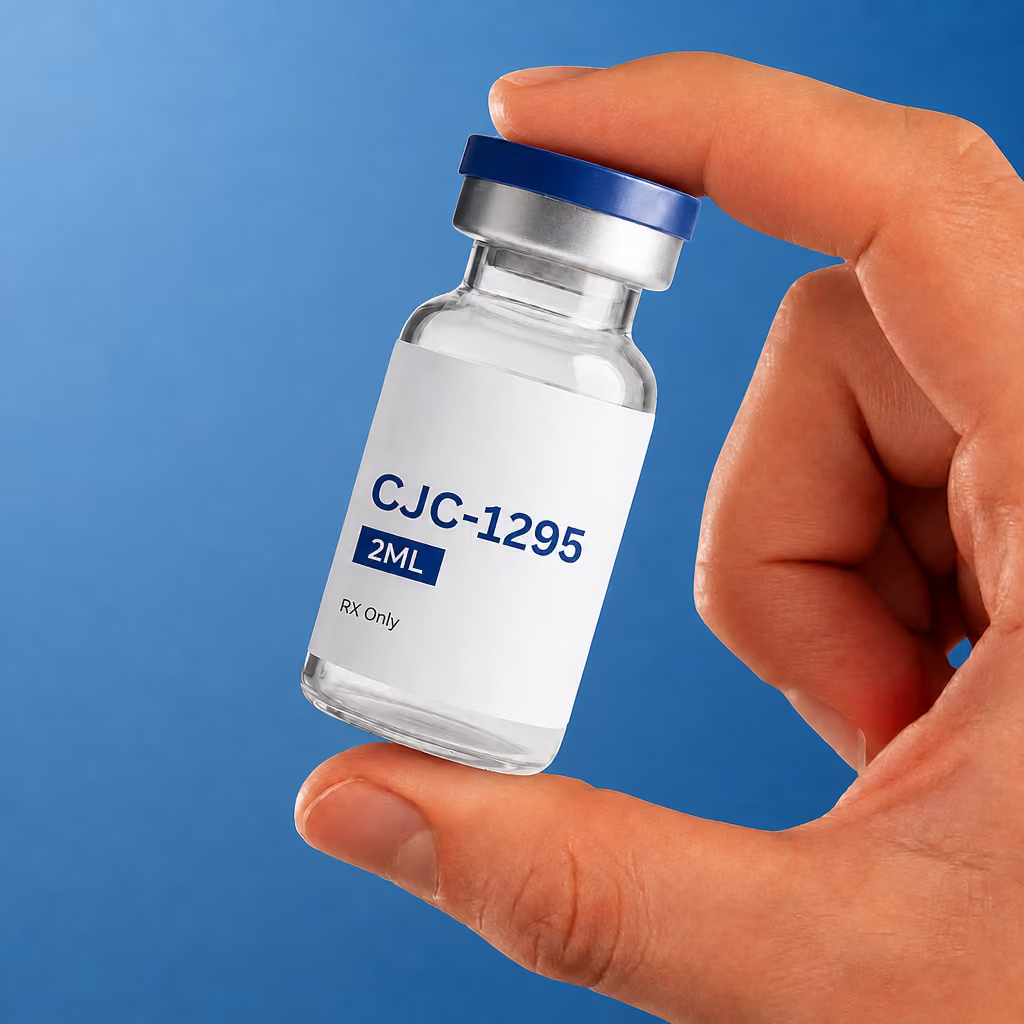
CJC-1295 is a long acting analog of growth hormone releasing hormone. In healthy adults, a single injection raised growth hormone two to tenfold for six days or more and IGF-1 one and a half to threefold for nine to eleven days, and natural growth hormone pulses were preserved. That is the extent of the published human evidence. No study measured energy, mood, concentration or quality of life. The link to energy rests on the idea that growth hormone and deep sleep are connected, which is true but does not show that raising growth hormone improves how people feel. Our article on CJC-1295, sleep and energy looks at this in detail.
CJC-1295 is not FDA approved. The FDA has cited serious adverse events including increased heart rate and systemic vasodilatory reaction, and its only larger trial was halted in 2006 after a participant died.
Sermorelin
Sermorelin is a short acting GHRH analog that was approved by the FDA in 1997 for children with growth hormone deficiency and later withdrawn for reasons other than safety or effectiveness. It is sometimes prescribed off label for adults with goals such as energy and sleep, but these uses are not established by strong evidence in healthy adults. Our CJC-1295 vs sermorelin guide compares the two.
Ipamorelin
Ipamorelin acts on the ghrelin receptor and was described in early research as the first selective growth hormone secretagogue. It has not been approved, and there is no established human evidence for effects on energy, mood or focus. The FDA lists it among substances that may present significant safety risks for some compounding.
Frequently Asked Questions
Which peptide is best for energy?
No peptide has strong human evidence for improving energy in healthy adults. CJC-1295 raises growth hormone and IGF-1, but energy has not been measured in published studies. Checking for treatable causes of tiredness should come first.
Does CJC-1295 improve mood or focus?
Mood and cognition have not been measured in any published CJC-1295 study, so any claim of benefit goes beyond the evidence.
Are Semax and Selank FDA approved?
No. They were developed and are used as medicines in Russia, and most research on them comes from small studies outside the US.
Why should I see a doctor before trying a peptide for tiredness?
Tiredness, low mood and poor focus often have treatable causes such as sleep apnea, thyroid problems, anaemia, vitamin deficiencies, depression or medicine side effects, which a doctor can check.
Are peptides for energy and focus safe?
Long term safety is unknown for all of them. The FDA has cited serious adverse events with CJC-1295 and raised concerns about ipamorelin, and products sold online may be impure or mislabelled.
What has the strongest evidence for energy and mood?
Good sleep, regular exercise, treating underlying conditions, evidence based mental health care and reviewing medicines that cause tiredness.
Can I combine peptides for mental performance?
Combinations have not been well studied and add uncertainty. Any combination should only be considered with a physician who monitors you closely.
Semax and Selank
Semax and Selank are synthetic peptides developed in Russia, where they are used as medicines. They are not approved by the FDA. Semax is related to a fragment of the hormone ACTH and is promoted for focus and mental energy; Selank is related to a naturally occurring peptide called tuftsin and is promoted for calm and reduced anxiety. Most of the published research on both comes from small studies conducted outside the US, often in specific patient groups rather than healthy adults, and independent large scale trials are lacking. That makes it hard to know how well the findings apply to people seeking a general boost in energy or focus.
Why Evidence on These Outcomes Is So Thin
Energy, mood and focus are hard to measure well. They vary from day to day, are strongly affected by sleep, stress and expectations, and are especially prone to placebo effects. Reliable evidence requires randomised, placebo controlled trials with validated measures, and those have not been done for most peptides marketed for these purposes. Personal reports and testimonials, however sincere, cannot separate the effect of a peptide from changes in routine, expectations or the natural ups and downs of how people feel.
Safety Questions
- Regulatory status: none of these peptides is currently FDA approved for energy, mood or focus.
- Product quality: products sold online as research chemicals are not made to pharmacy standards and may be impure or mislabelled.
- Known signals: the FDA has cited serious adverse events with CJC-1295 and raised concerns about ipamorelin.
- Unknown long term effects: long term safety data are lacking for all of them.
- Interactions: combining peptides, or using them alongside psychiatric or other medicines, has not been well studied.
- Sport: growth hormone releasing peptides are prohibited at all times under the World Anti-Doping Agency code.
What Has Stronger Evidence
- Sleep: consistent, sufficient sleep and treatment of sleep disorders such as sleep apnea improve energy, mood and concentration.
- Exercise: regular physical activity improves mood, energy and some aspects of cognition, and is an established part of treatment for depression.
- Treating underlying conditions: correcting thyroid problems, anaemia, vitamin deficiencies or poorly controlled blood sugar can transform energy levels.
- Evidence based mental health care: talking therapies and, where appropriate, approved medicines have strong evidence for depression and anxiety.
- Medication review: changing a medicine that causes tiredness or poor concentration can help.
- Reducing alcohol and managing caffeine: both affect sleep quality, mood and focus.
Our comparison of peptide therapy and lifestyle changes explores these in more depth.
Caffeine, Supplements and Other Quick Fixes
When energy and focus are low, it is natural to reach for quick fixes: more coffee, energy drinks, pre workout products or supplements marketed for the brain. Caffeine does improve alertness in the short term, but too much, or too late in the day, disrupts sleep and can leave you more tired overall. Many brain supplements have little evidence behind them, and some interact with medicines. If you rely on stimulants to get through the day, that is worth discussing with a doctor, because it often points to an underlying sleep or health problem.
Questions to Ask Your Doctor About Fatigue
- Could my tiredness or poor focus be caused by a medical condition, and which tests would check for that?
- Could any of my medicines be contributing?
- Should I be assessed for sleep apnea or another sleep disorder?
- Could low mood or anxiety be part of the picture?
- What changes to sleep, activity or diet would you suggest first?
Keeping an Energy Diary
A simple diary can make a doctor's assessment far more useful. For two weeks, note your bedtime and wake time, how rested you felt, your energy at mid morning and mid afternoon on a scale of one to ten, caffeine and alcohol intake, exercise, and anything unusual. Patterns often appear, such as an afternoon crash after a late night or a better day after exercise, that point to simple changes worth trying before anything else.
If You Still Want to Consider a Peptide
If you have addressed sleep, activity and treatable causes and still want to consider a peptide, do so with a licensed physician who will take a full history, order appropriate labs, explain the limited evidence honestly and monitor you. Set a specific goal and a way to measure it, such as a daily energy rating, and agree when you will review whether it is helping. Our guide on how to choose between CJC-1295 and other peptides can help you prepare for that conversation, and our guide to managing common CJC-1295 side effects explains what to watch for.
A Note on Expectations
Part of what makes energy and focus products popular is that people want a quick, noticeable change. The honest reality is that the approaches with the strongest evidence, such as better sleep, regular exercise and treating underlying problems, usually work gradually over weeks rather than overnight. They are also the changes most likely to last, and they bring wider benefits for heart health, metabolism and long term wellbeing that no peptide has been shown to match. Setting expectations accordingly helps you judge any treatment fairly and avoid chasing short lived effects.
Red Flags in Marketing
- Promises of more energy, better mood or sharper focus within a set time.
- Testimonials presented as evidence.
- Products labelled for research use only or sold without a prescription.
- Stacks of several peptides sold as a package for mental performance.
- No mention of side effects, monitoring or who should not use them.
Conclusion
Peptides such as CJC-1295, sermorelin, ipamorelin, Semax and Selank are widely marketed for energy, mood and focus, but strong human evidence for these outcomes is lacking. CJC-1295 raises growth hormone and IGF-1, yet no study has measured how people feel or think. Semax and Selank are not FDA approved and are supported mainly by small studies outside the US. Because tiredness, low mood and poor focus so often have treatable causes, a proper medical assessment should come first, and sleep, exercise and evidence based care have far stronger support. If you would like a physician to review your symptoms and options, you can start your online assessment.
In this article