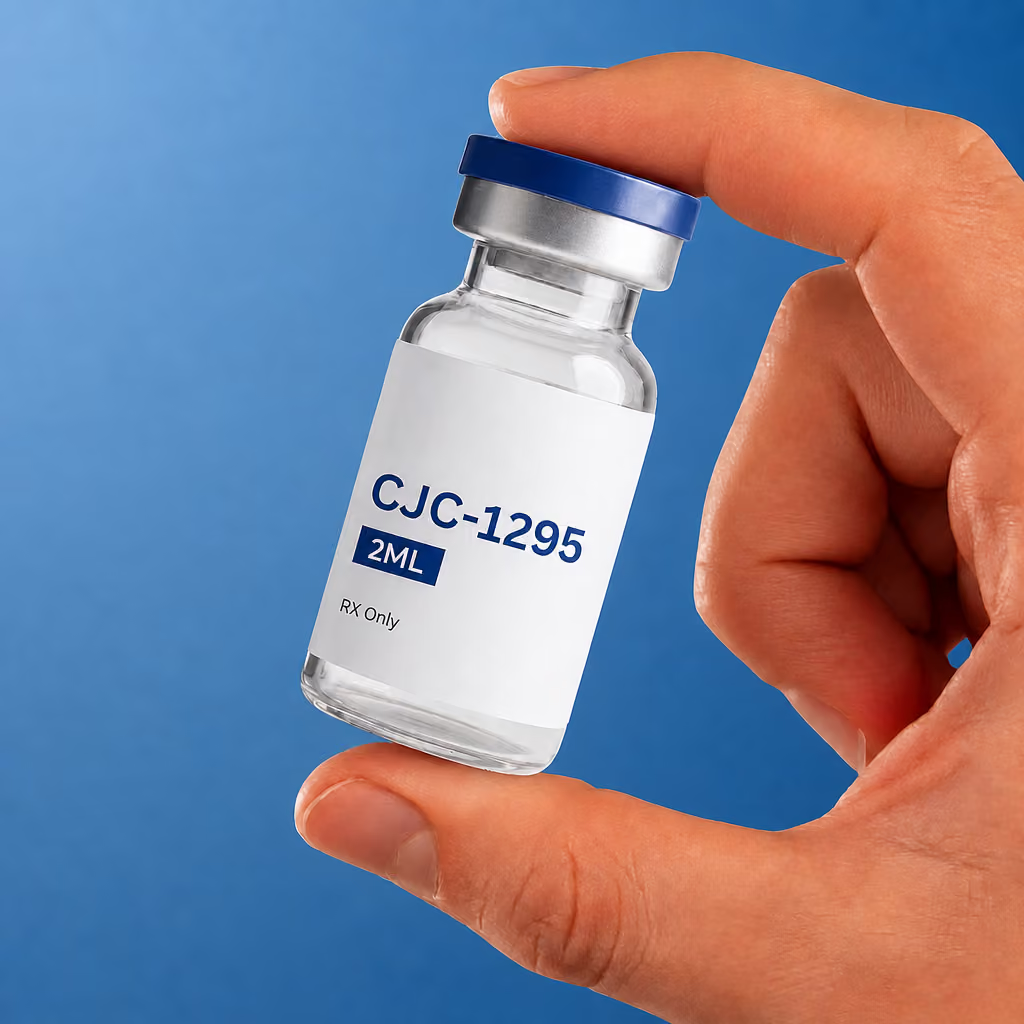
How to Store and Handle CJC-1295
A practical guide to storing and handling CJC-1295 safely, from receiving a delivery and storing the powder to keeping a mixed vial cold, spotting degradation and coping with power cuts.
- Your pharmacy label is the final word on storage temperature and how long a vial lasts.
- Mixed CJC-1295 is usually kept refrigerated at 2 to 8°C (36 to 46°F) and must never be frozen.
- There is no universal shelf life for a mixed vial; use the beyond use date your pharmacy gives.
- Protect vials from light and heat, and avoid shaking them.
- Never inject a solution that is cloudy, discoloured or contains particles.
- If a delivery arrives warm or a vial was left out, check with your pharmacist before using it.
In this article
CJC-1295 is a peptide, a chain of amino acids that can break down if it gets too warm, is shaken or is left too long after mixing. Storing and handling it properly is the simplest way to make sure each dose contains what your prescriber intended. This guide covers what to do from the moment your package arrives to the last dose in the vial. It replaces earlier advice on this page that gave fixed shelf lives that did not apply to every preparation. For mixing and dose calculations, see our CJC-1295 dosage calculator and mixing chart.
CJC-1295 is not approved by the FDA for any use. It is prescribed at a licensed physician's discretion after a medical review. This article is educational and is not medical advice.
Why Storage Matters for a Peptide
Peptides are more fragile than many tablet medicines. Heat, light, freezing and vigorous shaking can change their structure so that less active peptide remains. A degraded vial may simply work less well, which can lead people to think they need a higher dose. The design of CJC-1295 already protects it inside the body: early research showed it binds albumin and stays in the blood beyond 72 hours. That stability in the body does not mean the vial is stable on a warm shelf.
There is also a safety side. The FDA has noted that compounded drugs containing CJC-1295 may pose risks related to peptide impurities, so starting with a properly made product from a licensed pharmacy and then storing it correctly both matter.
Start With Your Pharmacy Label
Every compounded preparation is different. The storage temperature, whether to protect from light, and how long the vial lasts once mixed, often called the beyond use date, are set by the pharmacy that made it. Treat the label as the final word. Where this guide gives general advice, the label takes priority if they differ. If the label is unclear or missing information, call the pharmacy before using the product.
When Your Delivery Arrives
- Open it promptly: do not leave the package on a doorstep or in a hot car.
- Check the temperature: cold packs should still be cool and the contents should feel cold.
- Check the vial: the seal should be intact and the label should match your prescription, including the strength, the form with or without DAC, the lot number and the expiry date.
- Refrigerate straight away unless the label says otherwise.
- If anything is wrong: a warm package, damaged vial or mismatched label, contact the pharmacy before using it and keep the packaging.
Storing the Powder Before Mixing
Freeze dried powder is generally more stable than a mixed solution, but you should still follow the label. Most pharmacies advise keeping unopened vials refrigerated, in their box and away from light. Do not store vials in the freezer unless the label specifically says to, and never refreeze a vial that has thawed.
Frequently Asked Questions
How should I store CJC-1295?
Follow your pharmacy label. In most cases, vials are kept in the refrigerator at 2 to 8°C (36 to 46°F), in their box and away from light. A mixed vial should never be frozen.
How long does mixed CJC-1295 last?
Use the beyond use date on your pharmacy label. Stability depends on the specific preparation, so there is no single correct number of days for every product.
Can I freeze CJC-1295?
Do not freeze a mixed vial, because ice crystals can damage the peptide. Only freeze unopened powder if your pharmacy label specifically tells you to.
What if my CJC-1295 delivery arrived warm?
Do not use it. Contact the pharmacy, describe how warm it was and how long it may have been in transit, and keep the packaging.
How can I tell if a vial has gone bad?
Do not inject a solution that is cloudy, discoloured or contains particles, or a vial that is cracked or has a damaged stopper. Contact your pharmacy.
Can I leave CJC-1295 out of the fridge?
Only for the few minutes around your injection. If a vial was left out for longer, ask your pharmacist whether it is still usable before injecting it.
Storing a Mixed Vial
Once you add bacteriostatic water, the peptide is in solution and becomes more vulnerable. General good practice is:
- Refrigerate at 2 to 8°C (36 to 46°F): a fridge thermometer helps you check.
- Never freeze it: ice crystals can damage the peptide.
- Keep it in the box: this protects it from light.
- Choose the right spot: the middle shelf toward the back is most stable; avoid the door and the area next to the freezer compartment.
- Label it: write the date you mixed it and the concentration on the vial.
- Use it within the beyond use date: discard any remaining solution after that date, even if it looks fine.
Some sources quote a fixed number of days for mixed peptides. Stability depends on the specific preparation, so there is no single correct figure for every product. Use the date your pharmacy gives you.
Handling the Vial Day to Day
- Swirl, never shake: roll the vial gently when mixing or if it has been standing.
- Keep the stopper clean: wipe it with an alcohol swab before every puncture and let it dry.
- Use a new syringe every time: never put a used needle back into the vial.
- Limit time out of the fridge: take the vial out a few minutes before your dose and return it straight after.
- Keep it out of reach of children and pets.
What Happens if CJC-1295 Gets Too Warm
Warmth does not usually make a peptide look different straight away. A vial that has been too warm can appear perfectly clear while containing less active peptide than it should. That is why the history of the vial matters as much as its appearance. If you know a vial has been exposed to heat, for example left in a car or out of the fridge overnight, do not rely on how it looks. Call your pharmacist, explain what happened, and follow their advice on whether to use it or replace it.
Signs a Vial May Have Degraded or Been Contaminated
Look at the solution every time before you draw a dose. Do not inject it, and contact the pharmacy, if you notice:
- Cloudiness in a solution that is normally clear.
- Discoloration.
- Particles, flakes or strands floating in the liquid.
- A cracked vial or damaged stopper.
- A sudden change in how injections feel, such as new stinging or redness, when nothing else has changed.
Keep the vial and its packaging so the pharmacy can investigate. Our guide on how to report peptide side effects explains how to report a product problem.
Quick Reference
SituationWhat to doWhy it mattersUnopened powder vial on arrivalStore as your pharmacy label directs, usually refrigerated, in the box, away from lightProtects the peptide until you mix itAfter mixingRefrigerate at 2 to 8°C (36 to 46°F); never freezeMixed peptides are less stable and break down faster when warmHow long a mixed vial lastsFollow the beyond use date on your pharmacy labelStability depends on the specific preparation; there is no universal numberPackage arrives warmDo not use it; contact the pharmacyHeat exposure can degrade the peptideVial left out of the fridgeAsk your pharmacist before using itWhether it is still usable depends on time and temperatureSolution cloudy or contains particlesDo not inject; contact the pharmacyPossible contamination or degradation
Power Cuts and Fridge Failures
If your power goes out, keep the fridge door closed to hold the cold in. If the outage will be long, move your vials to an insulated cooler with cold packs, making sure the vials do not touch the packs directly. Once power returns, check the fridge temperature. If your medication has been above refrigerator temperature for an extended time, call your pharmacist before using it, and tell them roughly how long and how warm.
A Day Away From Home
If you need to inject at work or during a day trip, take only the vial you need in an insulated case with a cold pack, and keep the case out of direct sun and hot cars. A car interior can become very hot within minutes in warm weather. Return the vial to the refrigerator as soon as you can. If you will be away overnight or longer, plan ahead with the guidance in the travel section below.
Common Storage Mistakes
- Keeping vials in the fridge door: the door warms every time it opens.
- Storing next to the freezer compartment: vials can freeze without you noticing.
- Leaving vials out after injecting: return them straight away.
- Shaking the vial: swirl gently instead.
- Ignoring the beyond use date: discard the solution after it, even if some remains.
- Leaving deliveries outside: heat exposure in transit or on a doorstep can damage the peptide.
Questions to Ask Your Pharmacy
- What temperature should I store unopened vials at, and is it different after mixing?
- What is the beyond use date once I mix the vial?
- Does the vial need protecting from light?
- What should I do if my delivery arrives warm or is delayed?
- Who do I call if I think a vial has been left out or looks different?
Shipping and Cold Chain
Licensed pharmacies ship refrigerated peptides in insulated packaging with cold packs and aim for short transit times. If your delivery is delayed, contact the pharmacy rather than assuming the contents are fine. In very hot weather, arrange to be home for delivery or have it held at a collection point. Never accept or use CJC-1295 that arrives without any temperature protection, and let the pharmacy know so they can replace it.
Traveling With CJC-1295
Use an insulated medication case with cold packs, keep the vial in its labelled box, and carry it in your hand luggage when flying so it is not exposed to extreme temperatures in the hold. In the United States, the Transportation Security Administration allows medically necessary liquids and cooling accessories such as freezer packs through security once screened, provided you declare them. Our guide to traveling with peptides has a full packing list, and our CJC-1295 supplies checklist covers everything else you need.
Disposing of Old or Unused Medication
Do not pour leftover solution down the sink or toilet. Ask your pharmacy how to dispose of unused or expired vials; many pharmacies and community programmes accept medication returns. Used needles always go in a sharps container.
Conclusion
Good storage for CJC-1295 starts with your pharmacy label. In most cases that means keeping vials refrigerated at 2 to 8°C (36 to 46°F), in their box and away from light, never freezing a mixed vial, and using it within the beyond use date the pharmacy gives you. Swirl rather than shake, check the solution before every dose, and contact the pharmacy if a delivery arrives warm or a vial looks different. Careful handling helps make sure every dose is what your prescriber intended. If you would like to start treatment with a physician and a licensed pharmacy, you can start your online assessment.
In this article