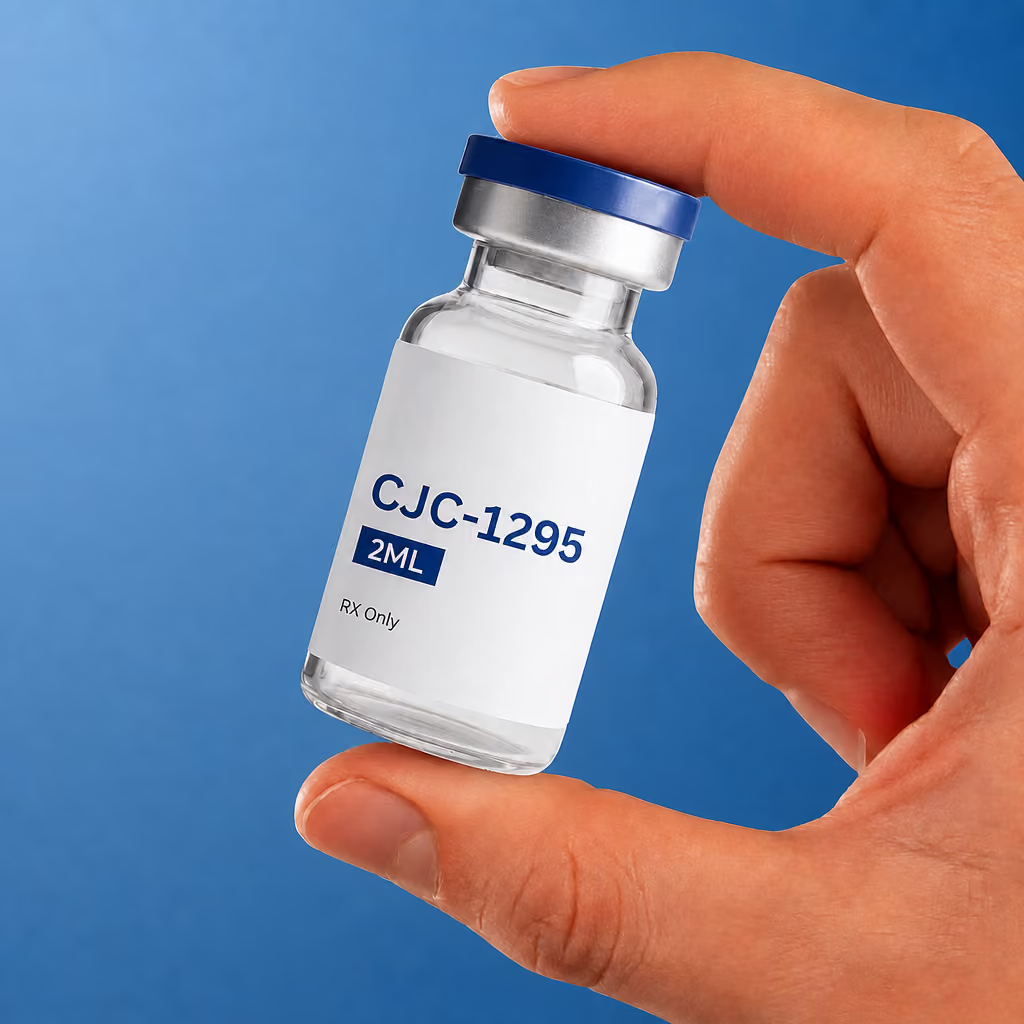
How to Give a Subcutaneous Peptide Injection
A clear, step by step guide to giving yourself a subcutaneous peptide injection such as CJC-1295, covering supplies, site selection and rotation, technique, common mistakes, site reactions and disposal.
- Subcutaneous means into the fatty layer just under the skin, not into muscle.
- The abdomen, outer thighs and back of the upper arms are the usual sites; rotate between them.
- Clean hands, a fresh needle every time and a dry alcohol swabbed site reduce infection risk.
- Pinch a fold of skin, insert at the angle your prescriber recommends, inject slowly and wait a few seconds before withdrawing.
- Mild redness or a small bump is common; spreading redness, heat, pus or fever is not.
- Put used needles straight into a sharps container and never recap them by hand.
In this article
Most peptides prescribed for home use, including CJC-1295, are given as subcutaneous injections. The idea of injecting yourself can feel daunting at first, but with the right supplies and a consistent routine it becomes quick and comfortable for most people. This guide takes you through each step, from preparing your supplies to disposing of the needle. Your prescriber or pharmacist should also show you the technique in person or by video before your first dose. For the dosing side, see our CJC-1295 dosage guide.
CJC-1295 is not approved by the FDA for any use. It is prescribed at a licensed physician's discretion after a medical review. This article is educational and is not medical advice.
What Subcutaneous Means
Subcutaneous means just under the skin. The injection goes into the layer of fat between the skin and the muscle, not into the muscle itself. Medicines given this way are absorbed more slowly and steadily than intravenous or intramuscular injections. The human studies of CJC-1295 used subcutaneous administration, which is the route prescribed for home use.
Supplies You Need
- Your medication: the vial, already mixed if your pharmacy sent powder.
- Insulin syringes: usually U100 syringes with a short, fine needle, as recommended by your prescriber.
- Alcohol swabs: for the vial stopper and your skin.
- A sharps container: an FDA cleared container for used needles.
- Cotton ball or gauze: for gentle pressure after the injection.
- A dose log: to record the date, time, dose and site.
Our CJC-1295 supplies checklist explains each item in more detail, including needle sizes.
Needle Sizes Explained
Needles are described by length and gauge. Length is given in millimetres or inches; short insulin needles of around 6 to 8 millimetres are long enough to reach the fatty layer for most adults. Gauge describes thickness, and a higher number means a thinner needle: a 31 gauge needle is finer than a 29 gauge one. Finer, shorter needles are usually more comfortable. Your prescriber or pharmacy will recommend the size that suits your body and your dose volume, so do not switch sizes without asking.
Choosing an Injection Site
The common subcutaneous sites are:
- Abdomen: at least five centimetres, about two finger widths, away from the belly button. This is the easiest site for most people to reach and see.
- Outer thighs: the front and outer area of the upper thigh, midway between the hip and the knee.
- Back of the upper arms: the fleshy area at the back, which is easier if someone else helps.
Avoid areas with scars, bruises, moles, stretch marks, tattoos, broken skin or any sign of irritation from an earlier injection.
Why Rotation Matters
Injecting into the same spot again and again can cause lumps of hardened fat under the skin, known as lipohypertrophy. These lumps can change how well medicine is absorbed and make injections more uncomfortable. Rotate systematically: for example, divide your abdomen into four quarters and move clockwise, keeping each new injection a few centimetres from the last. Writing the site in your dose log makes rotation easy.
Step by Step: Preparing
- Wash your hands with soap and water for at least 20 seconds and dry them.
- Check the vial: confirm the name, strength and date mixed, and look at the solution. It should be clear, with no cloudiness or particles.
- Let it warm slightly: take the vial out of the refrigerator a few minutes early, because cold liquid can sting.
- Wipe the stopper with an alcohol swab and let it dry.
- Draw up air: pull the plunger back to the dose line, push the needle through the stopper and inject the air into the vial. This makes the liquid easier to draw.
- Draw the dose: turn the vial upside down, make sure the needle tip is in the liquid, and pull the plunger slightly past your dose line.
- Remove bubbles: tap the syringe so bubbles rise, push them out, and adjust to the exact dose line.
Frequently Asked Questions
Where should I inject CJC-1295?
Into the fatty layer under the skin of the abdomen, at least two finger widths from the belly button, the outer thighs or the back of the upper arms. Rotate between sites and avoid scars, bruises and irritated skin.
Should I inject at 45 or 90 degrees?
With short insulin needles, most people inject straight in at 90 degrees into a pinched fold of skin. Very lean people may be told to use 45 degrees. Follow your prescriber's advice.
Can I reuse a needle?
No. Needles are sterile only once and become blunt after a single use, which increases pain and infection risk. Use a new needle and syringe for every injection.
Why do I get a bump after injecting?
A small raised bump is common and usually settles within a day. Injecting slowly, rotating sites and letting the solution warm slightly can help. Spreading redness, heat, pus or fever needs a call to your prescriber.
Is it a problem if there is a small air bubble?
A tiny bubble injected under the skin is harmless. Large bubbles mean you are injecting less medicine than intended, so tap them out and adjust to the dose line before injecting.
What should I do with used needles?
Put them straight into an FDA cleared sharps container without recapping. When it is about three quarters full, follow your local rules for disposal.
What if I get a needlestick injury?
Wash the area with soap and water and seek medical advice promptly, especially if the needle had been used by someone else.
Step by Step: Injecting
- Clean the site: wipe with an alcohol swab in a small circle and let it dry completely. Injecting through wet alcohol stings.
- Pinch the skin: gently gather a fold of skin and fat between your thumb and finger. This lifts the fatty layer away from the muscle.
- Insert the needle: with a quick, smooth motion, insert the needle at the angle your prescriber recommends. With short insulin needles this is usually straight in at 90 degrees; very lean people may be told to use a 45 degree angle.
- Inject slowly: push the plunger steadily until the syringe is empty.
- Wait a moment: count to five before withdrawing, so the medicine does not leak back out.
- Withdraw and release: pull the needle out at the same angle, then let go of the skin fold.
- Apply gentle pressure: press a cotton ball or gauze on the site for a few seconds if needed. Do not rub.
- Dispose of the syringe immediately in your sharps container without recapping the needle.
- Log the dose: record the date, time, dose and site.
Building a Routine
Because CJC-1295 is usually given on a set schedule rather than daily, it is easy to lose track of injection days. Pick a fixed day and time, set a recurring phone reminder, and keep all your supplies together in one place. Prepare everything on a clean, dry surface before you start, so you are not searching for a swab with an open syringe in your hand. A simple routine also makes it much easier to notice if anything changes, such as a new reaction at the site or a vial that looks different.
When to Skip a Site or Delay an Injection
Choose a different site if the usual area is bruised, swollen, sunburned, itchy or still tender from a previous injection. If you have a skin condition such as eczema or psoriasis, avoid active patches. If you are unwell with a fever or infection, or about to have surgery, ask your prescriber whether to delay your next dose rather than deciding on your own.
Common Mistakes and How to Avoid Them
- Reusing needles: needles become blunt after a single use and are no longer sterile. Always use a new one.
- Injecting through clothing: this carries fibres and germs into the skin.
- Not letting alcohol dry: this causes stinging.
- Injecting too fast: this causes more discomfort and a larger bump.
- Skipping rotation: this leads to lumps under the skin.
- Leaving large air bubbles: small bubbles are harmless under the skin, but large ones mean you inject less medicine than intended.
- Recapping needles: this is the most common cause of needlestick injuries at home.
Reducing Discomfort
Most people find subcutaneous injections cause only a brief pinch. Letting the solution reach room temperature, relaxing the muscle under the site, using a fresh fine needle and inserting it quickly all help. Some people find a few seconds of ice on the skin beforehand makes the pinch less noticeable. If injections are consistently painful, ask your prescriber whether a different needle length or technique would suit you better. Breathing out slowly as you insert the needle also helps many people relax.
Injection Site Reactions
It is common to notice mild redness, itching, a small raised bump or slight tenderness at the site for a few hours to a day. These usually settle on their own, and a cool compress can help. Contact your prescriber if redness spreads, the area becomes hot or very painful, you see pus, a hard lump persists, or you develop a fever. These can be signs of infection or another reaction that needs attention. Our guide to managing common CJC-1295 side effects explains what is expected and what is not.
Some reactions are not about the site at all. The FDA has cited increased heart rate and systemic vasodilatory reaction among serious adverse events reported with CJC-1295. If you feel flushed, lightheaded or notice a racing heartbeat after an injection, sit or lie down and tell your prescriber. Get emergency care for chest pain, fainting or a heartbeat that does not settle.
Safe Disposal
The FDA recommends that you place all needles and other sharps in a sharps disposal container immediately after use, and that you follow your community's rules for getting rid of the container once it is about three quarters full. Never put loose needles in household trash or recycling. Our guide on how to dispose of needles and syringes safely covers drop off sites, mail back programmes and travel.
Injecting While Traveling
When you are away from home, pack enough syringes and swabs for every planned dose plus a few spares, and carry a small travel sharps container. Keep your medication cold and labelled, and plan your injection time around time zone changes with your prescriber's advice. Our guide to traveling with peptides covers airport security and storage on the road.
If Someone Else Injects for You
A partner or family member can learn to give your injection, which can be easier for the back of the arm. They should wash their hands, wear gloves if they prefer, and follow the same steps. Anyone who gives injections should know never to recap a used needle and what to do after a needlestick injury: wash the area with soap and water and seek medical advice promptly.
Conclusion
A good subcutaneous injection comes down to a few habits: clean hands, a fresh needle every time, a dry alcohol swabbed site, a pinched fold of skin, a slow steady injection and immediate disposal into a sharps container. Rotating sites prevents lumps and keeps absorption consistent, and a simple log keeps track of doses and sites. Ask your prescriber or pharmacist to watch your technique before you start on your own, and go back to them if anything about your injections changes, such as new pain, bruising or lumps. If you would like to begin treatment with a physician who will guide you through this, you can start your online assessment.
In this article